
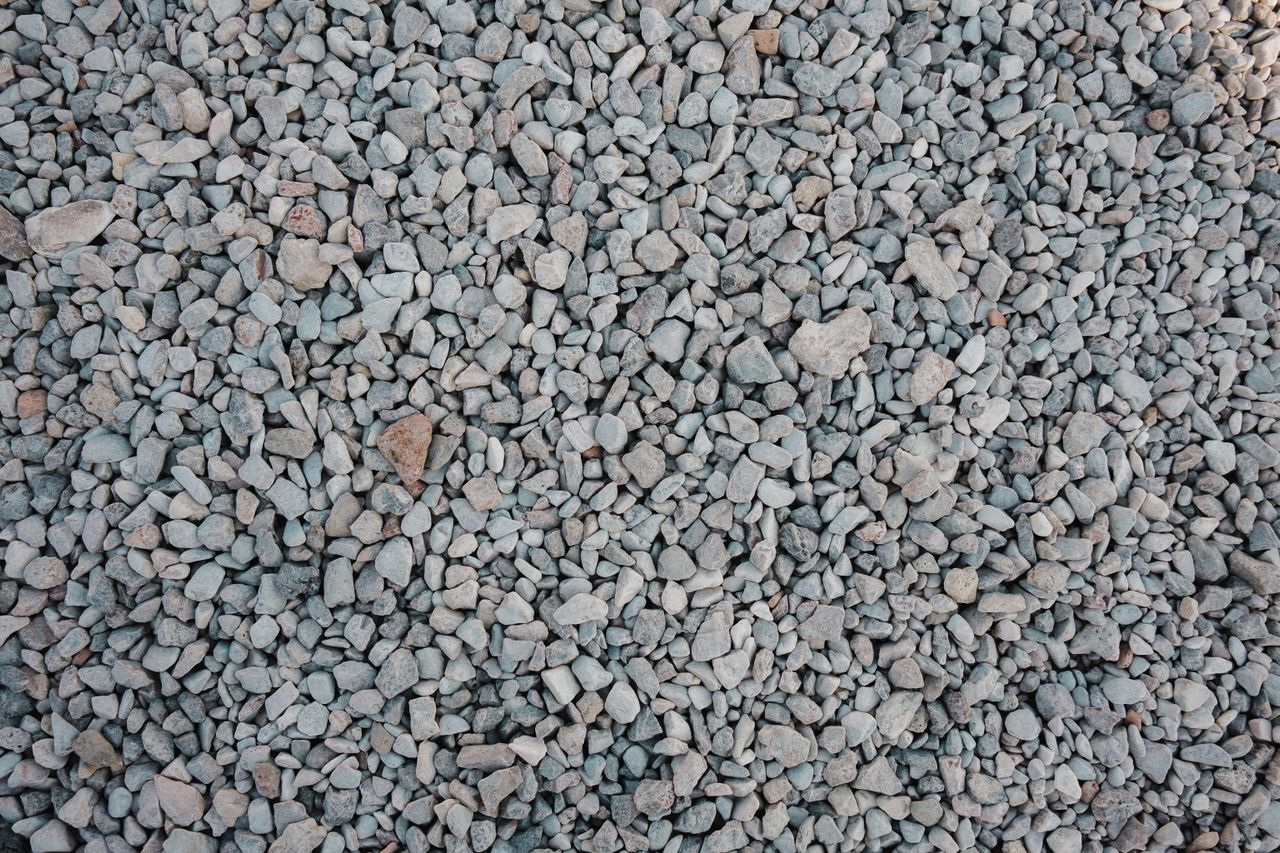
A gravel driveway is one of the most affordable and durable options for homes, ranches, farms, and commercial properties. When properly installed and maintained, it can provide decades of reliable service. However, one of the most common complaints property owners have is the appearance of potholes. These depressions not only make driving uncomfortable but can also damage vehicles, create drainage issues, and lead to more expensive repairs if left untreated.
Understanding why potholes develop is the first step toward preventing them. Here's what causes potholes in gravel driveways and how you can keep your driveway in excellent condition.
The number one reason gravel driveways develop potholes is water. Rainwater that doesn't drain properly begins to soften the underlying soil. As vehicles repeatedly drive over these weakened areas, the gravel shifts and sinks, creating low spots that eventually become potholes.
Water often collects in areas where the driveway has lost its crown or where drainage ditches have become blocked. Once standing water forms, each passing vehicle pushes gravel away from the hole, making the damage progressively worse.
Ensuring your driveway has proper drainage is one of the most effective ways to prevent potholes from forming.
Driveways that experience frequent traffic from heavy trucks, trailers, farm equipment, or construction vehicles are more likely to develop potholes. The extra weight places significant pressure on the gravel surface and the base beneath it.
If the driveway wasn't built with an adequate foundation or sufficient road base, the repeated stress causes the surface to break down faster than expected.
Choosing the right base materials during installation helps create a stronger foundation capable of supporting heavier loads.
Many pothole problems begin beneath the surface. A gravel driveway is only as strong as the foundation underneath it.
Without a properly compacted road base, the gravel has little structural support. Over time, vehicle traffic compresses weak areas, causing the surface gravel to settle unevenly.
Using quality road base before adding the top layer of gravel creates a stable surface that resists movement and minimizes future repairs.
A properly constructed gravel driveway should have a slight crown in the center. This raised middle allows rainwater to flow toward the edges instead of pooling on the driving surface.
If the driveway is flat or has developed low areas over time, water remains trapped on the surface. Standing water gradually washes away fine materials that help bind the gravel together, leaving loose stone behind and increasing the risk of potholes.
Regular grading restores the proper shape of the driveway and encourages water to drain away efficiently.
Unlike concrete or asphalt, gravel driveways require occasional maintenance to remain in top condition. Small depressions can quickly become large potholes if ignored.
Routine maintenance may include:
Adding fresh gravel where needed
Grading the surface to restore its crown
Filling low spots before they expand
Cleaning drainage ditches and culverts
Compacting loose gravel after repairs
Performing these simple maintenance tasks once or twice a year can significantly extend the life of your driveway.
Not all gravel products perform the same. Decorative gravel may look attractive, but it often lacks the smaller particles needed to lock the stones together.
For driveways, crushed limestone or road base products that contain a blend of stone sizes generally provide better stability. The combination of larger rock and fine particles helps create a compact surface that resists shifting under vehicle traffic.
Selecting the proper material for your specific application can reduce future maintenance and improve overall durability.
Central Texas weather can be especially tough on gravel driveways. Heavy rainstorms may wash away gravel and create erosion, while long periods of hot, dry weather can loosen compacted materials.
As temperatures change throughout the year, repeated cycles of moisture and drying slowly weaken sections of the driveway. Regular inspections after major storms can help identify small problems before they become costly repairs.
While no gravel driveway is completely maintenance-free, several steps can greatly reduce pothole formation:
Install a solid, compacted road base.
Maintain a slight crown for proper drainage.
Keep ditches and culverts free of debris.
Add fresh gravel when the surface begins to thin.
Grade the driveway periodically.
Repair small depressions before they grow larger.
Use high-quality gravel designed specifically for driveways.
These preventative measures help preserve both the appearance and performance of your driveway for years to come.
Whether you're building a new driveway or restoring an existing one, using quality materials makes a noticeable difference. The right gravel, road base, and fill materials provide the strength needed to withstand daily traffic and Texas weather.
At Rockdale Sand & Gravel, we supply quality gravel, road base, sand, topsoil, and other bulk materials for residential, agricultural, and commercial projects throughout Central Texas. Our experienced team can help you choose the right materials for your driveway so you can enjoy a smoother, longer-lasting surface with fewer maintenance issues.

 rockdalesandgravel@gmail.com