
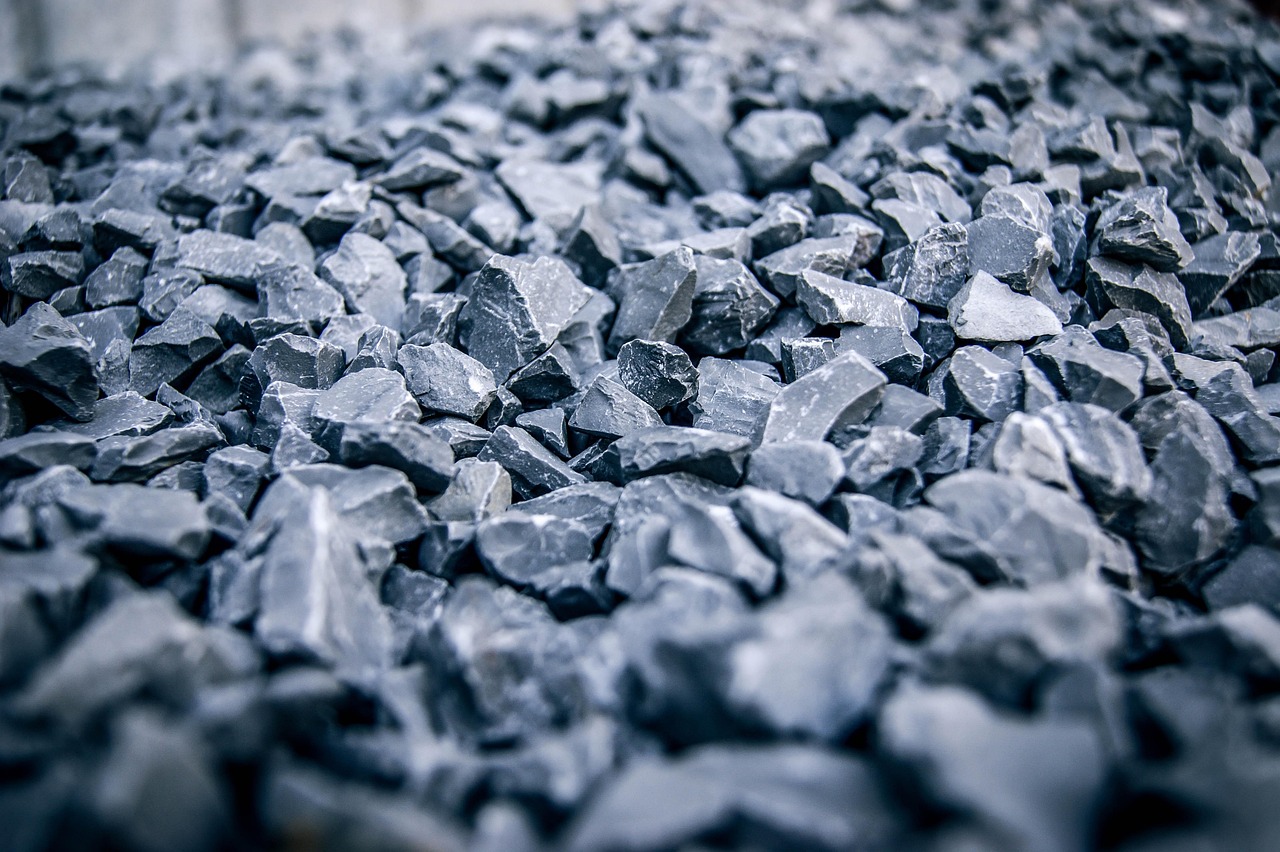
Texas homeowners know that outdoor spaces have to stand up to a lot. From long stretches of hot, dry weather to sudden storms and clay-heavy soil, maintaining a yard, driveway, or foundation area can be a challenge. That is one reason sand and gravel continue to be popular materials for homes across the state. They are affordable, durable, versatile, and especially well suited to the demands of the Texas climate.
Whether you are improving drainage, building a driveway, or updating your landscaping, sand and gravel can provide both practical and visual benefits. Below are five of the biggest reasons they are such a smart choice for Texas homes.
One of the most important benefits of sand and gravel is their ability to help water move away from the home. Both materials are porous, which means they allow water to flow through them more easily than dense soil or compacted clay. This is especially important in Texas, where heavy rain can quickly lead to standing water, erosion, or runoff problems around the home.
In many parts of Texas, clay soil is common, and clay can hold onto water rather than drain it efficiently. That creates problems for lawns, landscaping, and even a home’s foundation. Gravel, sand, and other aggregate materials can help create a drainage layer that directs moisture away from problem areas. For homeowners, that can mean fewer muddy spots, less pooling water, and better protection for the property overall.
A simple example is a gravel trench near a low area in the yard. Instead of letting water sit on the surface, the gravel helps water filter down and move to a safer drainage path. That kind of solution is practical, low-maintenance, and highly useful in Texas weather.
Foundation issues are a serious concern for Texas homeowners, especially in areas with expansive clay soil. When clay soil absorbs water, it swells. When it dries out, it shrinks. That constant movement can put stress on foundations and contribute to cracking, shifting, or uneven settling. Because of that, anything that helps control moisture around the house can be valuable.
Sand and gravel can support better foundation protection by improving drainage around the home. A gravel border or drainage zone helps reduce the amount of water collecting close to the foundation, which is important because excess moisture can worsen soil movement. Keeping water away from the home also helps reduce the risk of erosion and moisture-related damage near the slab or crawlspace.
Many Texas contractors and supply companies recommend gravel as part of a broader drainage strategy because it helps direct water away from vulnerable areas. For homeowners, this can mean less risk and better long-term performance from the property.
Another major advantage of sand and gravel is how little upkeep they require. Unlike grass, which needs mowing, watering, and fertilizing, or mulch, which needs to be replaced regularly, gravel and sand hold up well with minimal attention. That makes them a great option for busy homeowners or anyone looking for a more manageable yard.
This low-maintenance quality is especially appealing in Texas, where heat and drought can make traditional landscaping expensive and time-consuming to maintain. Gravel beds, pathways, and decorative borders do not need irrigation, and they do not brown out in the summer the way turf can. In many cases, they can also help reduce weed growth when installed correctly, which cuts down on ongoing yard work.
For homeowners who want a cleaner look without a lot of effort, sand and gravel offer a simple solution. They can be used in front yards, side yards, backyards, and around patios to create a polished appearance without constant maintenance.
Texas summers are no joke. High temperatures, intense sun, and periods of drought can make it difficult for many landscaping materials to hold up over time. Sand and gravel are well suited to these conditions because they do not dry out, wilt, or require frequent watering.
This makes them a strong choice for homeowners who want landscaping that stays functional through the hottest months of the year. Gravel pathways remain stable in the heat, and sand can be used in leveling, masonry, and drainage applications without being affected by dry weather the way organic materials might. Because they do not depend on moisture to look good or perform well, sand and gravel are especially practical for water-conscious homeowners.
They are also a smart fit for Texas properties that need xeriscape-friendly solutions. If you want to reduce irrigation costs and still have an attractive outdoor space, gravel can help create a finished look while conserving water. In areas where water efficiency matters, that is a real advantage.
Sand and gravel can be used in a wide range of residential projects. They work well for driveways, walkways, patios, drainage trenches, garden borders, paver bases, and foundation prep. That versatility makes them one of the most practical materials a Texas homeowner can choose.
For example, crushed gravel can create a durable driveway surface that stands up to regular vehicle traffic. Cushion sand can be used to level pavers or support stonework. Pea gravel can add decorative appeal while still helping with drainage. In other words, the same basic materials can serve both structural and decorative purposes.
Cost is another reason homeowners like these materials. Sand and gravel are often more affordable than many other landscaping or hardscaping options, and because they last a long time, they can deliver strong value over the long term. When properly installed, they can reduce the need for repairs, replacement, or frequent maintenance. That makes them a smart investment for Texas homes of all sizes.
There are many practical applications for sand and gravel around a home. Some of the most common include:
Driveways that need a stable, compactable base.
Walkways and paths that need drainage and durability.
Drainage trenches or dry areas where water needs to move away from the property.
Patio and paver bases that need leveling and support.
Decorative landscaping features that improve curb appeal without adding maintenance.
These uses show why sand and gravel remain such dependable materials for residential projects. They solve real problems while also improving the look and function of the property.
For Texas homeowners, sand and gravel offer a rare combination of benefits: better drainage, foundation support, low maintenance, weather resistance, and long-term value. In a state where weather and soil can create real challenges, that combination matters. Whether you are planning a landscaping update or trying to protect your property from water issues, these materials are worth considering.
If you want a home improvement material that is practical, durable, and well suited to Texas conditions, sand and gravel are a strong choice. They may not be flashy, but they get the job done — and in Texas, that is often exactly what a homeowner needs.

 rockdalesandgravel@gmail.com